 SPIN & WIN

















The Psychology and Strategy Behind "Men" Coupons
Why Gender-Specific Coupons Work
Men shop differently than women. That’s not a stereotype—it’s a behavioral pattern backed by decades of retail data. When a coupon says “For Men,” it instantly signals relevance. A man skimming through a pile of discounts doesn’t want to decode fine print. He wants to know, fast: Does this apply to me? If yes, he uses it. If not, he tosses it. This binary thinking is exactly why “men” coupons convert at higher rates than generic ones. Retailers have noticed that men respond to direct, no-nonsense offers. A coupon labeled “Men’s Grooming Kit – 20% Off” will outperform “Save on Selected Grooming Products” every time.
Common Categories Where Men’s Coupons Dominate
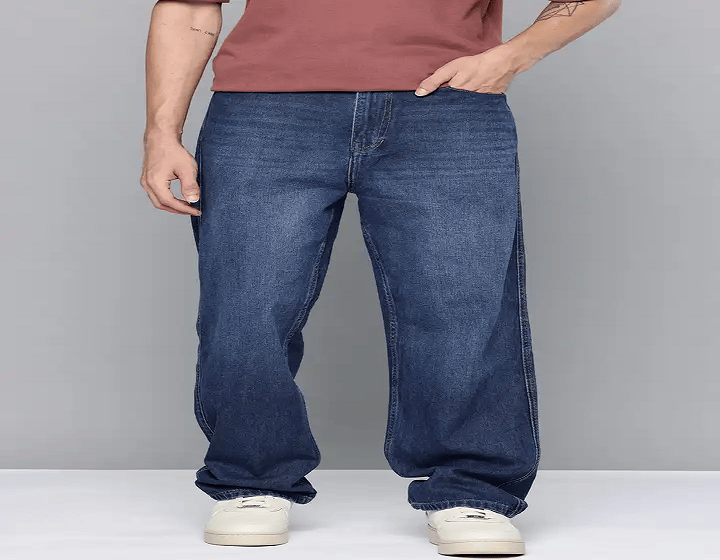
You’ll find “men” coupons most often in four major buckets. First, grooming and personal care – beard oils, razors, deodorants, and hair products. Brands like Harry’s and Manscaped built entire business models around male-specific discounts. Second, tools and automotive – socket sets, power drills, car wax, and oil changes. Home Depot and AutoZone regularly push “Men’s Month” coupons. Third, apparel and footwear – especially work boots, jeans, and athletic wear. Dickies and Carhartt see spikes when they release gender-targeted codes. Fourth, supplements and fitness – protein powders, pre-workout, and gym bags. GNC and Bodybuilding.com use men’s coupons to clear seasonal inventory.
How Men Actually Use Coupons Differently
Here’s where most marketers get it wrong. Men don’t clip coupons for fun. They don’t browse coupon sections like a hobby. A man typically searches for a coupon only after he has already decided to buy something. He opens a separate tab, types “[store name] coupon code,” and grabs the first working one he finds. Loyalty to a specific coupon source is low. What matters is speed and simplicity. If a “men” coupon requires signing up for a newsletter, downloading an app, or entering a 20-character code, he will abandon it. The most successful men’s coupons are short codes like “MEN20” or automatic discounts applied at checkout.
Seasonal Peaks for Men’s Coupon Campaigns
Not all months are equal. Father’s Day is the Super Bowl of men’s coupons. From late May to mid-June, searches for “dad coupons” and “gifts for him” explode. Black Friday and Cyber Monday are second, especially for electronics and tools. January brings a surge in fitness-related men’s coupons as New Year’s resolutions kick in. March and April see automotive coupons rise with tax refund season. Smart retailers don’t run men’s coupons uniformly year-round—they stack them against these natural buying cycles.
The Fine Print That Kills a Good Men’s Coupon
Nothing frustrates a male shopper more than hidden restrictions. A coupon that says “20% off men’s shoes” but excludes every brand he actually wants is a trap. He will remember that brand negatively. The best men’s coupons are honest and transparent. “Excludes clearance” is fine. “Excludes Nike, Adidas, and New Balance” is a bait-and-switch. Similarly, expiration dates matter. Men often save coupons intending to use them “later.” If that later comes and the code is dead, he won’t bother looking for another. He’ll just pay full price elsewhere out of spite.
Physical vs. Digital Men’s Coupons
Paper coupons are dying, but not for all men. Older men—say, 55 and up—still clip coupons from Sunday newspapers and mailers. They trust physical paper more than a random code from a pop-up ad. Younger men, especially under 35, want mobile-friendly digital coupons. QR codes scanned at the register or text-to-save offers work best for this group. The middle ground? Email coupons with one-click activation. Men across all ages respond well to an email that says “Your men’s discount is inside – click to apply.”
Mistakes Retailers Make with Men’s Coupons
The biggest error is making the coupon hard to find. Men won’t hunt. If the “men’s coupon” section is buried under three dropdown menus, he leaves. The second mistake is using feminine design language—pastels, cursive fonts, or floral backgrounds. Even if the product is unisex, the presentation matters. A coupon for men should look clean, bold, and direct. The third mistake is assuming all men want the same thing. A 22-year-old gym rat and a 50-year-old handyman have almost no overlap in coupon needs. Segment your men’s offers by age and lifestyle, not just by gender.
Final Takeaway for Sellers
Men’s coupons work because they reduce decision fatigue. A man doesn’t want to wonder if a discount applies to him. He wants a clear yes or no. If you give him that clarity, plus a fair deal and an easy redemption process, he will use your coupon and come back for the next one. If you make it complicated, he will buy from your competitor who doesn’t.